Vintage posters are more than advertisements — they are artifacts of art, design, and social history. Created between 1890 and 1950, they capture moments of cultural change through bold visuals and innovative printing.
Our collection focuses on original lithographs and other period techniques from the golden age of poster art, with particular emphasis on the work of Leonetto Cappiello — widely regarded as the father of modern advertising poster design.
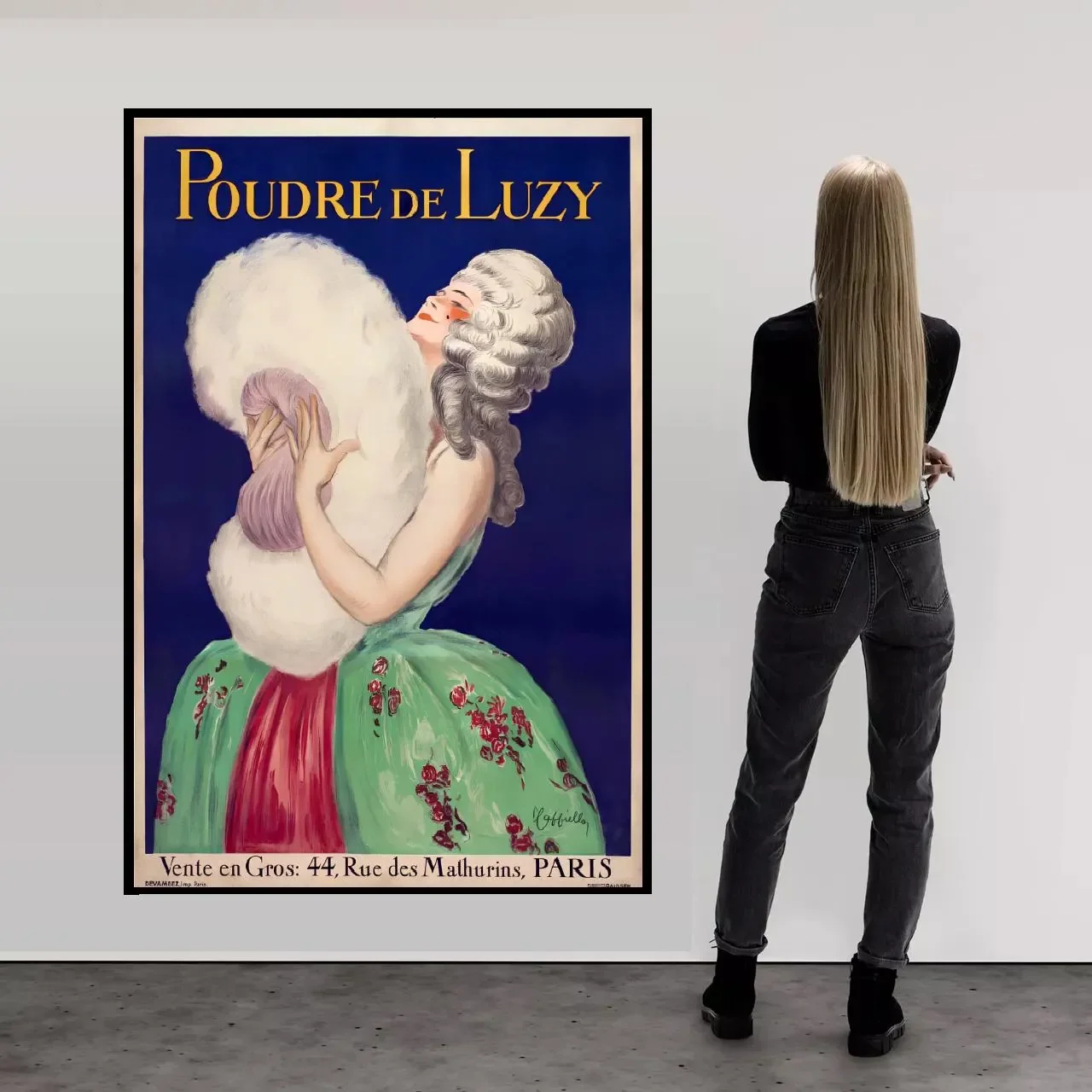
Condition Assessment
We use a standard international grading system (A–C) with +/- modifiers:
A+ / A
Near perfect to excellent: fresh colors, minimal or no defects, bright paper.
A-
Very good: small tears, pinholes, light foxing, faint fold marks or minor restoration possible.
B
Fair to good: visible folds, stains, small restored areas, faded colors, but still collectible.
C
Significant damage or restoration, but main image intact. We rarely offer C-grade posters.
We do not offer poor condition (D-grade) posters. All items are photographed honestly from multiple angles, including margins.
Printing Techniques
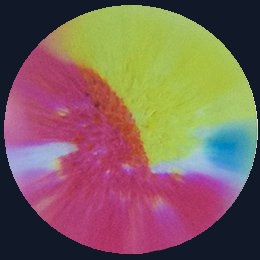
Lithography (on limestone)
Lithography was the main technique for printing posters up to the 1950s. Highly valued for the prestige of limestone, it required skillful craftsmanship. Lithographers, often anonymous, combined artistry and technical expertise. Printing a poster could take weeks: the motif was drawn on a porous stone with lithographic crayons, then colored inks (made from natural pigments with an oil base) were applied. The stone was dampened, and paper pressed onto it, transferring ink from the non-porous areas. Each color was printed separately, with precise positioning marks guiding the process to a tenth of a millimeter. Richly pigmented inks produced subtle tones and exceptional finish, making lithographs highly prized well into the 1960s.
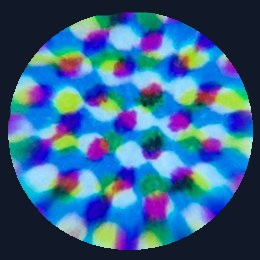
Offset Printing
Offset printing emerged between the World Wars as a faster, more efficient alternative to lithography. Using the four-color CMYK process (cyan, magenta, yellow, black) and acetate films prepared photographically, it enabled high-quality color reproduction. Distinctive dot patterns characterize offset prints, which became standard for advertising boards after World War II.
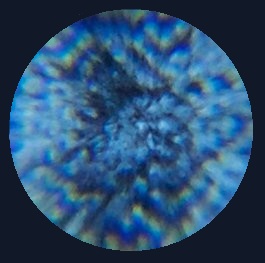
Heliography / Rotogravure
Invented by Nicéphore Niépce around 1822, heliography was a precursor to photographic prints. Light-exposed areas hardened on a reactive surface, then transferred to paper. Pre-1940 photographic posters often used copper plates with reactive coatings, etched by acid and retouched by hand. This technique, still used in newspapers and magazines, allowed high-quality prints in larger quantities and gave posters a unique artistic charm.

Screen Printing
Screen printing uses silk or synthetic cloth stretched over a frame to transfer ink color by color. Originating in China, it gained popularity in the West during WWII and became iconic for Pop Art (Warhol, Lichtenstein). This method creates vivid, uniform colors, with fine texture visible under magnification. Small editions and modern artistic posters continue to use this technique.

Other / Mixed Techniques
Some posters result from hybrid or artisanal processes. While we determine the most likely technique, exact methods are not always certain. Such works are labeled as “other technique” or “mixed technique.”